Leo Gamboa · Monkey Mind Studio
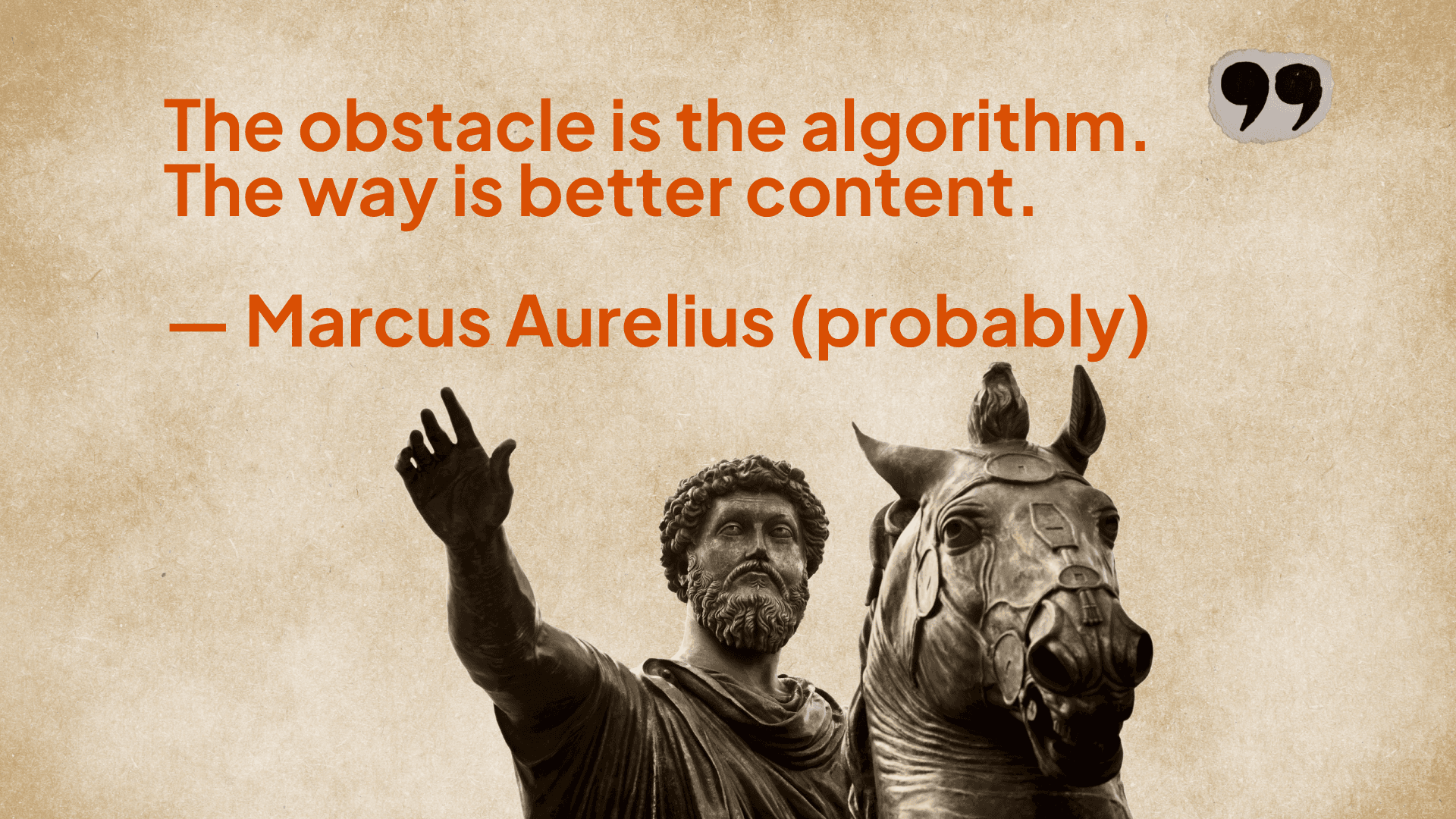
Marcus Aurelius Was a Marketer (And He Never Ran a Single Ad)
Marcus Aurelius never ran a Facebook ad. Never posted a Reel. Never split-tested a subject line.
And yet, his principles are more effective marketing strategy than 90% of what brands are doing today.
This isn't a history lesson. It's a framework — and if you apply it, it will change how you build your brand.
The Stoic Philosophy Most Marketers Ignore
Stoicism is a school of philosophy built on one core idea: focus on what you can control, and release what you can't.
Sounds simple. Almost obvious. And yet, most brands do the exact opposite — obsessing over vanity metrics, chasing algorithm changes, panicking every time a campaign underperforms.
Stoic marketers don't do this. And they consistently win.
4 Stoic Principles That Are Actually Marketing Strategy
1. Control What You Can Control
Marcus Aurelius wrote: focus on your own actions, your own character, your own work.
In marketing terms: your message, your creative, your offer — those are yours. The algorithm, the economy, your competitor's budget — those are not.
Most brands waste energy complaining about reach dropping and ads getting more expensive. Stoic brands fix their fundamentals and keep executing.
The move: Audit what's actually in your control right now. Start there.
2. Amor Fati — Love Your Fate
Amor Fati means loving everything that happens to you — including failure.
Your campaign flopped? Good. That's data. Your launch didn't convert? Good. Now you know what doesn't work.
Stoics don't get emotional about results. They extract the lesson and move forward. This is exactly how the best marketers treat testing — without ego, without panic.
The move: Stop calling things failures. Start calling them results. Every result tells you something.
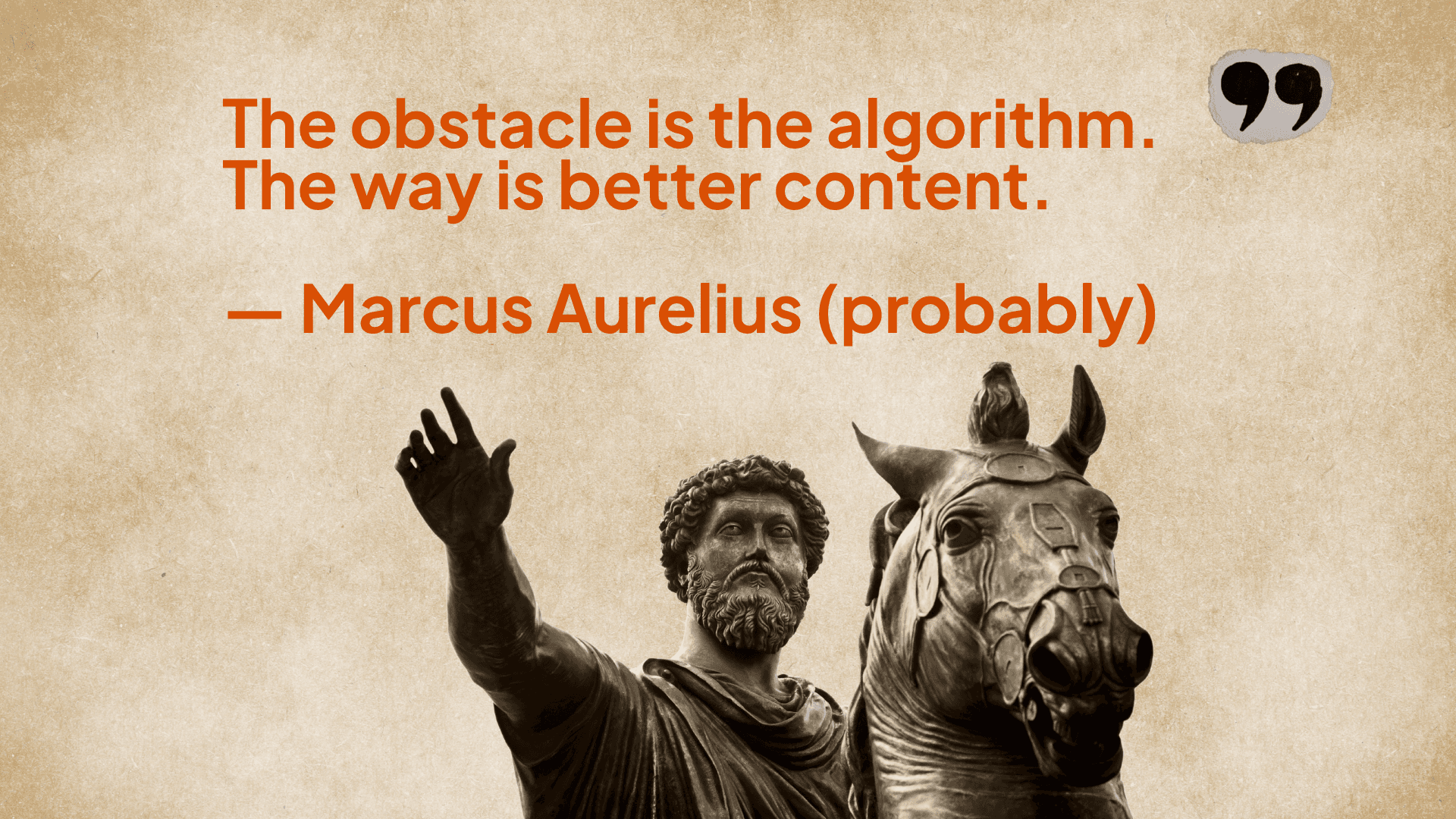
3. The Obstacle Is the Way
This is Ryan Holiday's version of a core Stoic idea — and it applies directly to brand building.
Rising ad costs? That's your advantage over brands that can't figure out organic. Harder algorithms? That rewards consistency, which is exactly what scattered competitors won't do. More competition? Good. A crowded market means validated demand.
Every obstacle your business faces is an obstacle your less disciplined competitors are also facing — and quitting over.
The move: Reframe every marketing challenge as a filter. Who survives it wins.
4. Memento Mori — Remember That Everything Ends
Memento Mori is the Stoic practice of remembering your own mortality — not as something dark, but as a reminder to not waste time on what doesn't matter.
In marketing: every campaign has a shelf life. Every creative gets stale. Every strategy eventually stops working. Brands that remember this don't fall in love with their own ideas — they kill what isn't working and move on.
The worst marketing decisions come from ego: running a campaign too long because the team is proud of it, refusing to pivot because someone worked hard on the strategy.
The move: Set a review date for every campaign before it launches. Non-negotiable.
What Stoic Marketing Actually Looks Like
It looks like discipline when everyone else is reacting.
It looks like posting consistently when the algorithm isn't rewarding you.
It looks like fixing your offer instead of blaming your ads.
It looks like a brand that plays the long game — because it's built on principles, not trends.
Most brands market from emotion. The ones that win market from principle.
Marcus Aurelius understood that the greatest power you have is over your own mind and your own actions. In a world of distracted brands chasing every trend, that kind of focus is a competitive advantage.
Control what you can. Execute consistently. Stay disciplined. That's the stoic brand playbook.
What's your biggest marketing challenge right now? Drop it in the comments on our Instagram — @monkeymind.studio — and we'll give you the stoic answer.
Want to build a brand that operates from principle, not panic? Let's talk →
Frequently Asked Questions
What is stoic marketing? Stoic marketing is an approach to brand strategy based on Stoic philosophy — focusing on what you can control (message, creative, offer, consistency), extracting lessons from failure without panic, and building for the long term instead of chasing short-term trends.
How does Stoicism apply to business and marketing? Stoic principles like Amor Fati (embrace failure as data), Memento Mori (kill what isn't working), and controlling what you can control directly apply to how brands make decisions, run campaigns, and build long-term strategy.
What is the stoic approach to a failed marketing campaign? Stoics treat failure as information, not defeat. A failed campaign tells you what doesn't work — which is valuable data. The goal is to extract the lesson, adjust, and execute again without emotional attachment to the outcome.
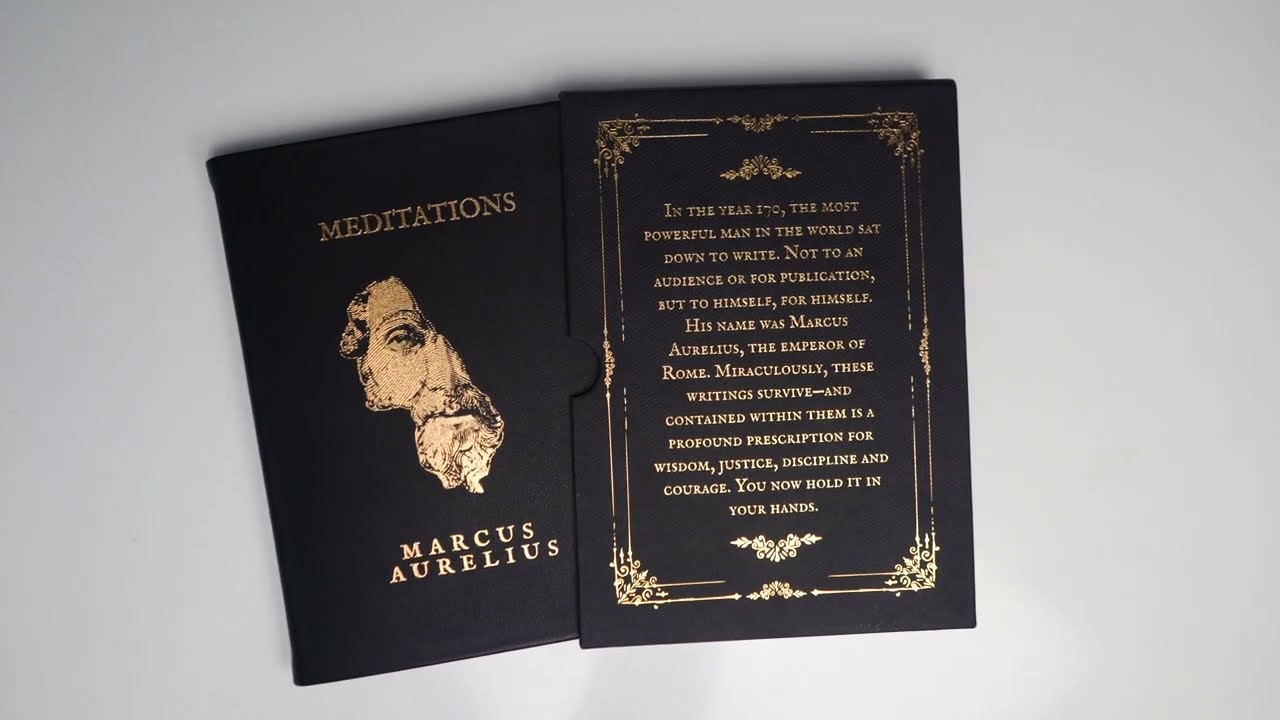
Who was Marcus Aurelius? Marcus Aurelius was a Roman Emperor and Stoic philosopher, author of Meditations — one of the most influential books on personal discipline, resilience, and leadership ever written.